
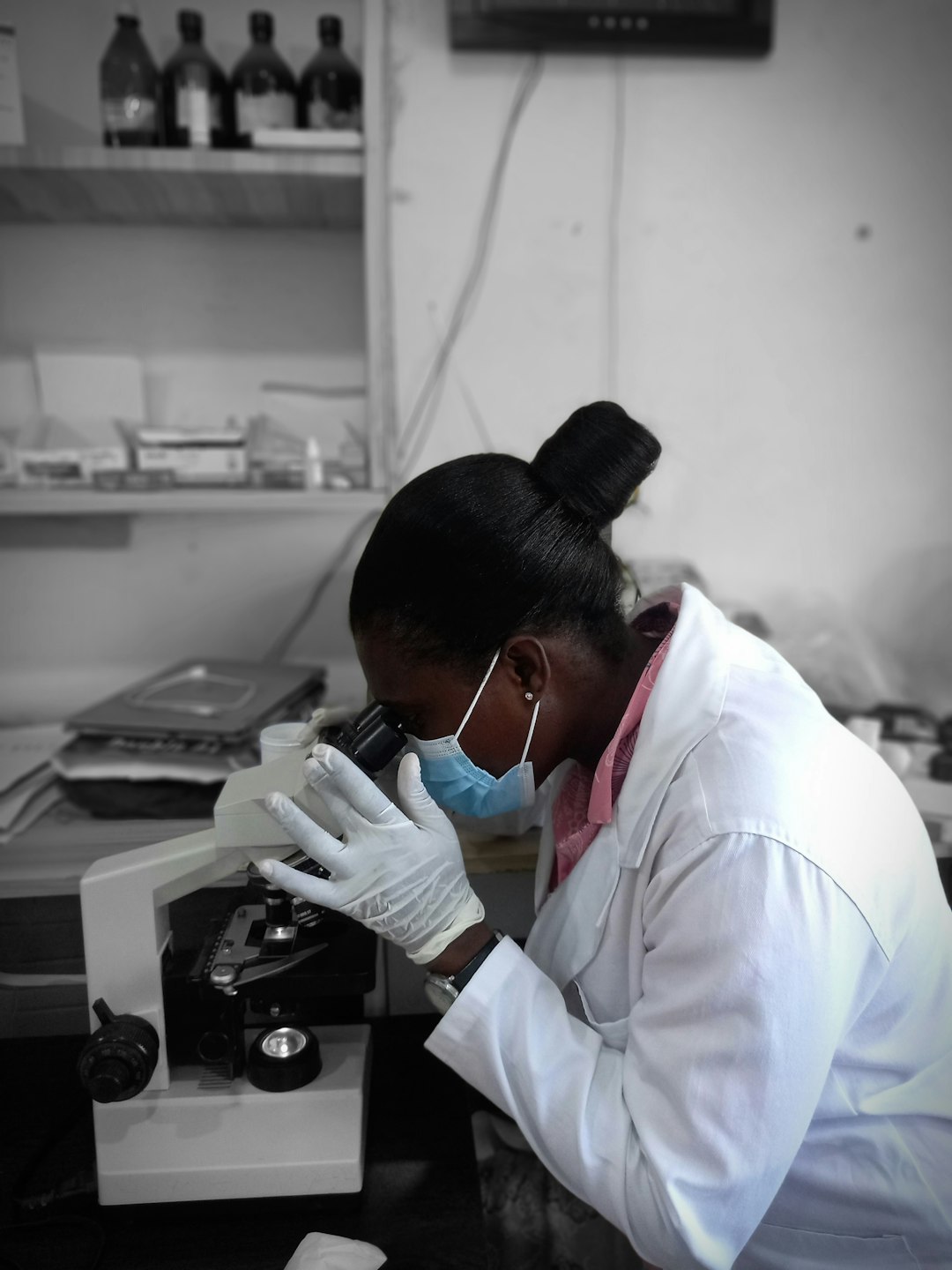
How STEM education empowers communities to solve local problems, diversify economies, and drive sustainable growth.
In an era defined by rapid technological advancement and climate instability, the global community faces a critical juncture. For developing nations, the challenge is twofold: they must foster economic growth while ensuring that development remains sustainable—preserving resources for future generations.
STEM education is the bridge between these two goals.
Far more than a collection of academic subjects, Science, Technology, Engineering, and Mathematics (STEM) represents a cognitive framework for problem-solving. By integrating STEM into the educational infrastructure, developing countries can unlock the human capital necessary to solve local crises with global implications.
Why STEM is the Engine of Sustainable Development
Sustainable development requires innovative solutions to complex problems—clean energy, water scarcity, sustainable agriculture, and resilient infrastructure. STEM education prepares the next generation of citizens to address these challenges effectively.
1. Driving Economic Diversification
Many developing nations rely heavily on the export of raw materials. This leaves them vulnerable to global market fluctuations. STEM education shifts the economic paradigm toward value-added industries, such as software development, renewable energy management, and high-tech manufacturing. By cultivating a "knowledge economy," these nations can move up the global value chain.
2. Solving Locally-Rooted Problems
External aid is often a temporary bandage. Sustainable development, however, requires homegrown solutions. A student trained in hydraulic engineering in a drought-prone region is better equipped to design efficient irrigation systems than a consultant unfamiliar with the local terrain. STEM literacy empowers local experts to design, maintain, and scale infrastructure that fits the specific needs of their communities.
3. Boosting Agricultural Productivity
In many developing countries, agriculture is the backbone of the economy. STEM-driven innovation—such as precision farming, drought-resistant crop cultivation, and satellite-based weather tracking—can significantly increase yields while reducing the environmental impact of chemical fertilisers and water waste. This ensures food security while maintaining ecological balance.
The Barriers to Implementation
While the potential is clear, the path toward a STEM-rich curriculum is fraught with hurdles:
- The Resource Gap: Many schools in developing regions lack basic laboratory equipment, reliable internet access, and textbooks.
- Teacher Training: A lack of specialised STEM educators remains a bottleneck. Effective pedagogy requires teachers who can move beyond note memorisation to foster critical thinking.
- Gender Disparity: In many settings, cultural biases persist, steering girls away from STEM fields. Achieving sustainable development requires the full participation of the entire population.
A Roadmap for Progress: How Developing Nations Can Move Forward
To harness the power of STEM, policymakers and stakeholders must move beyond rhetoric. Here are three strategic pillars for success:
1. Invest in Teacher Capacity Building
Technology is only as effective as the person using it. Investing in professional development programs that train teachers in inquiry-based learning is more cost-effective than simply importing expensive technology that may go unused.
2. Leverage Low-Tech and "Frugal" Innovation
You don't need a state-of-the-art laboratory to teach engineering principles. "Frugal innovation"—teaching students how to solve problems using local, accessible, and low-cost materials—fosters a mindset of resourcefulness. This promotes sustainability by design.
3. Prioritise Public-Private Partnerships
Governments cannot do it alone. By partnering with private tech firms, NGOs, and the diaspora, developing nations can secure the funding, mentorship, and equipment required to modernise classrooms.
The Verdict: A Sustainable Future
STEM education is not a luxury for the developed world; it is an absolute necessity for the developing one. By equipping students with the tools to innovate, analyse, and build, nations can transition from being passive recipients of technology to active creators of their own future.
As we look toward the United Nations’ Sustainable Development Goals (SDGs), it is clear that STEM is the common denominator. Whether it is Goal 7 (Affordable and Clean Energy) or Goal 9 (Industry, Innovation, and Infrastructure), the foundation must be built in the classroom.
Investing in STEM is not just investing in schools—it is investing in the survival and prosperity of our planet.
What do you think?